Types of Logos: What They Are and How to Choose the Right One?

In the modern visual economy, a logo is often the first and most frequent point of contact between a brand and its audience. It is far more than a simple graphic; it is a condensed vessel for a company’s values, history, and promises. As we move through 2026, the digital landscape has become increasingly cluttered, making the need for a distinct visual identifier more critical than ever. Designers are now moving away from overly complex compositions toward "responsive" logos that maintain their integrity whether they are displayed on a giant billboard or a tiny smartwatch screen.
The process of choosing a visual identity requires a deep dive into the psychology of your target market. For example, a tech startup might lean toward minimalist symbols to convey innovation, while a heritage brand might use intricate crests to evoke a sense of tradition and reliability. Understanding the nuances of different logo types is the first step in ensuring that your brand doesn't just look good, but also communicates the right message. Each style has its own strengths and weaknesses, and the choice you make will influence everything from your marketing budget to your long-term brand recognition.
The Core Categories of Logo Design
Logo design can generally be broken down into seven primary categories. While some brands use a combination of these, most successful identities focus on one dominant style to ensure clarity.
1. Monogram Logos (Lettermarks)
Monograms consist of letters, usually brand initials. Companies like IBM, CNN, or HP use this style to simplify a long or complex name. If your business has a multi-word name that is hard to remember, a monogram is an excellent way to create a punchy, memorable visual. It focuses the viewer’s attention on the brand’s "shorthand."
2. Wordmarks (Logotypes)
A wordmark is a font-based logo that focuses entirely on a business's name. Think of Google, Coca-Cola, or Visa. These are highly effective for new companies that need to build name recognition. Success here depends on typography; the font must capture the "essence" of the brand—be it playful, high-end, or rugged—without the help of an icon.
3. Pictorial Marks (Logo Symbols)
This is what most people think of when they hear the word "logo." It is a graphic icon or image that represents a brand. The Apple logo or the Twitter (now X) bird are perfect examples. These marks are powerful because they are recognizable across language barriers. However, they can be risky for new brands that haven't yet established what that symbol represents in the minds of consumers.
4. Abstract Logo Marks
Instead of a recognizable image (like an apple), an abstract mark is a geometric form that represents your business uniquely. The Nike "Swoosh" or the Adidas stripes fall into this category. These allow you to communicate a feeling or a movement without being literal. They are excellent for global companies that want to avoid the specific cultural connotations of a real-world object.
5. Mascots
Mascot logos involve an illustrated character that acts as the "ambassador" for the brand. They are often colorful and fun, making them ideal for families, food products, and sports teams. Mascots create a strong sense of personality and make a brand feel more approachable and "human."
6. The Combination Mark
As the name suggests, this combines a wordmark and a symbol. Famous examples include Mastercard or Burger King. This is often considered the "safest" and most versatile choice for a new business. It allows you to build recognition for both your name and your icon simultaneously. Eventually, as the brand grows, the icon may be used independently.
7. The Emblem
Emblems consist of text inside a symbol or an icon—think badges, seals, and crests. These logos have a traditional, authoritative look. They are popular with schools, government agencies, and the automotive industry (like Harley-Davidson or BMW). While they look prestigious, they can be difficult to replicate at very small sizes because of their intricate detail.
How to Choose the Right Style for Your Brand
Selecting a logo isn't just about personal aesthetic preference; it’s a strategic business decision. To find the right fit, consider the following factors:
- Brand Personality: Is your brand serious or whimsical? Traditional or cutting-edge? An emblem suggests history, while an abstract mark suggests innovation.
- Application: Where will the logo be seen most? if it's primarily on social media avatars, a simple lettermark or symbol is better than a detailed mascot.
- Competitor Analysis: Look at your industry. If everyone is using wordmarks, a pictorial mark might help you stand out—or it might make you look out of place. Decide if you want to fit in or disrupt.
- Scalability: In 2026, logos must be functional in the "metaverse," on mobile apps, and on physical packaging. Avoid overly thin lines or complex gradients that disappear when the logo is shrunk down.
The Role of Color and Typography
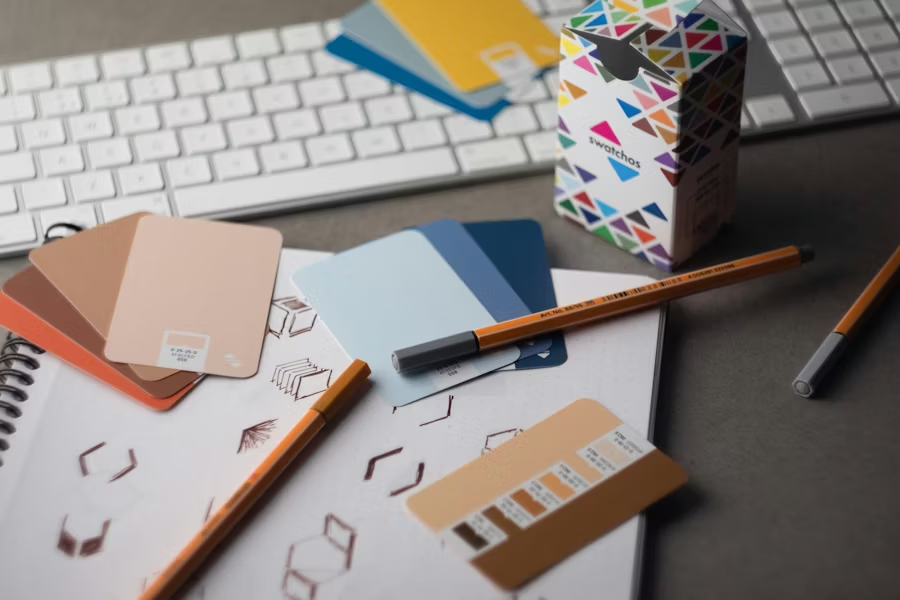
Once you have selected a type, the "clothing" of that logo—its colors and fonts—will do the heavy lifting. Color psychology is a well-documented field; for instance, blue often evokes trust, while red suggests energy and urgency. Similarly, the "weight" of a font can change a brand's perception entirely. A thin, spaced-out sans-serif font feels "luxury," while a thick, rounded font feels "friendly" and "accessible."
| Logo Type | Best For | Main Advantage |
| Monogram | Long company names | Simplicity & Professionalism |
| Wordmark | New brands building awareness | Direct name recognition |
| Symbol | Established global brands | Universal recognition |
| Mascot | Service/Entertainment/Food | High engagement & Personality |
| Combination | Almost any business | Maximum versatility |
Conclusion: Investing in Longevity
A great logo should be timeless. While it is tempting to follow design trends (like the "minimalist" craze or the "neomorphism" of recent years), the best logos are those that can survive for decades with only minor tweaks. Your logo is the foundation of your entire brand identity. Once the logo is set, it dictates the style of your website, your packaging, and your marketing materials. By choosing a style that aligns with your long-term vision, you create a visual anchor that helps your audience find you in a sea of competition.